The World Wants Ube But The Philippines Is Running Out
Last Updated on May 21, 2026 by Julie Anne
You see it everywhere on your social media feed right now. Violet cold foam tops your morning espresso, and foreign beauty brands eagerly launch purple lip glosses. The global market completely devours our humble purple yam.
But behind the pastel Instagram posts lies a brewing local crisis. The Philippines barely produces enough ube to feed this billion-dollar trend.
From Local Merienda to Global Sensation
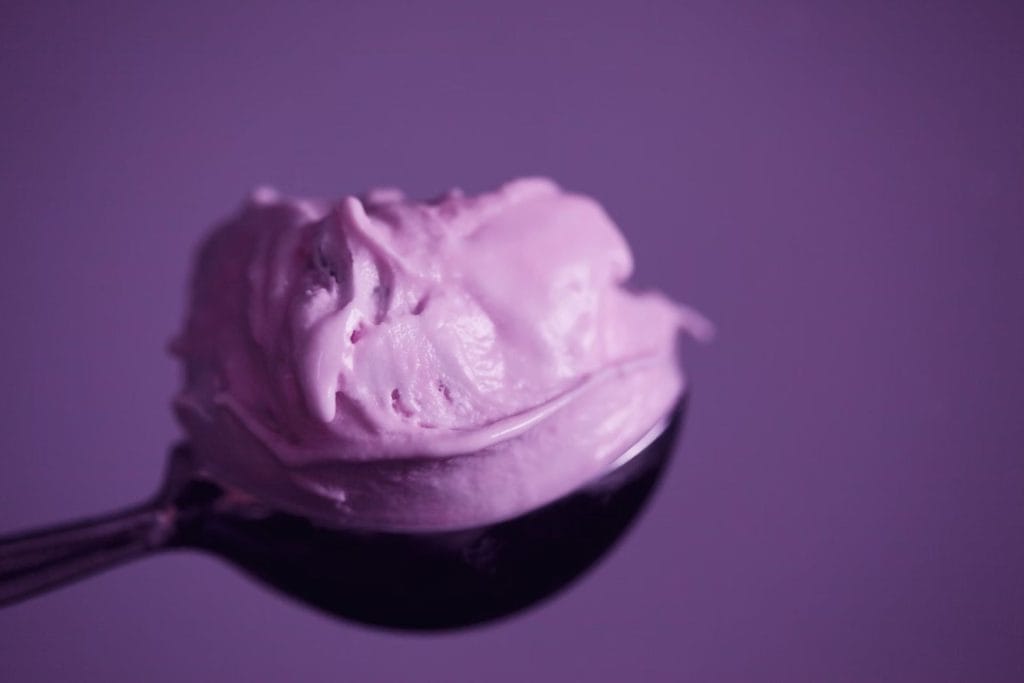
Foreign markets aggressively rebrand our favorite halaya ingredient as the “new matcha.” The world learned to price its color, turning our nostalgic dessert into a premium café aesthetic. Starbucks recently launched an iced ube coconut macchiato to satisfy overseas cravings. Competitors like Costa Coffee quickly joined the trend with their own ube hot chocolate and frappes.
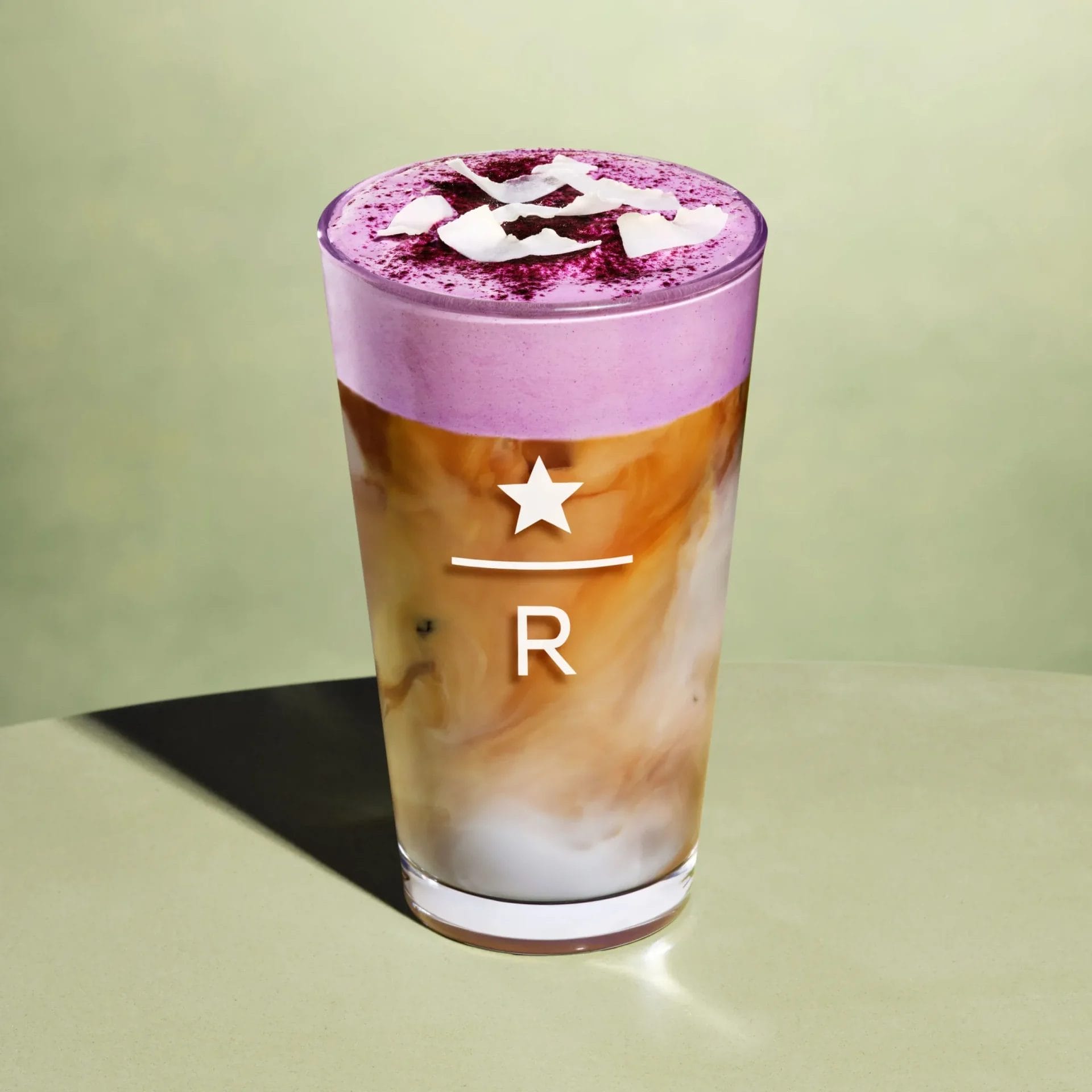
Entrepreneurs in Paris and Istanbul now mix up ube lattes for their trendy patrons. However, the financial reality leaves the Philippines far behind the cash register.
Look at the staggering numbers driving this purple craze:
- The global ube market currently sits at an astonishing $455 million valuation.
- Industry experts project this specific market to reach a billion dollars by 2035.
- The Philippines exported a mere $3.2 million worth of ube products last year, according to the Department of Trade and Industry.
Why Local Farmers Struggle to Keep Up
While foreign corporations cash in, local farmers absorb the brutal operational costs. Growing this root crop demands up to a full year of patient cultivation. Furthermore, middlemen routinely squeeze remote farmers for rock-bottom prices right at harvest time.
Recent global events only worsen the situation for our agricultural sector. The ongoing Middle East energy crisis tripled fuel costs for irrigation pumps across Philippine provinces. Agricultural workers cannot simply stop watering their crops, so they absorb these massive financial hits.
This immense pressure creates a devastating domino effect on our local supply:
- Data from the Philippine Statistics Authority shows national ube production actually dropped 6.7% in 2025.
- Many agricultural workers earn a meager ₱322 daily, killing any incentive to plant the crop.
- Local institutions like the Benguet State University face severe supply shortages for their iconic jams.
- The Philippines now ironically imports ube from Vietnam just to meet our own domestic demand.
Treating Ube Like Japan Treats Matcha
We need to protect ube exactly how Japan fiercely protects Uji matcha. The Japanese built robust infrastructure and strict geographical protections long before matcha became a global trend. When you order Uji matcha, the origin commands respect and a premium price.
The Philippines desperately needs that exact same institutional support. The government and private sector must build processing facilities directly within farming communities. Small producers need proper capital to certify, package, and sell under their own proud names.
We already have the knowledge, the crop, and the cultural heritage. We just need a system that finally lets Filipinos earn from what Filipinos already know.
What’s your ultimate favorite local ube treat, and how do you feel about the global market potentially pricing us out of our own heritage ingredient? Sound off in the comments below!
Do you have a story to share? Email us at hi@overheremanila.com or join us at our Instagram page at @OverHereManila.
You Might Also Like: